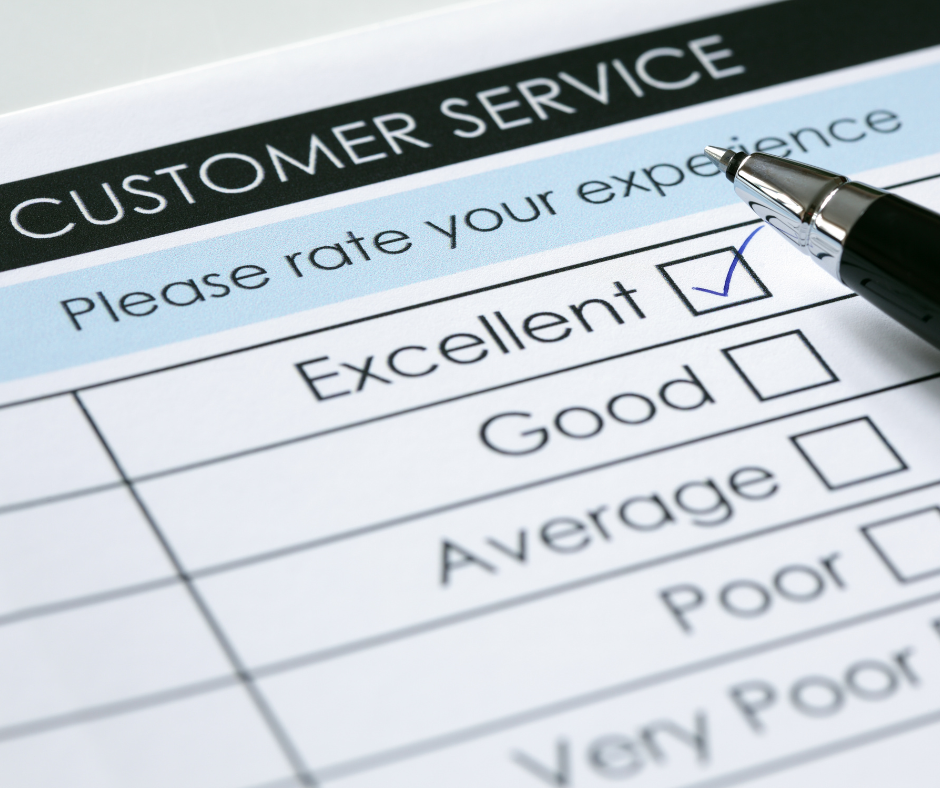

Customers have more choice than ever before. Whether they’re booking a holiday, buying a new outfit or choosing who to do business with, they can compare options, read reviews and switch to a competitor with very little effort.
That means customer experience matters.
Price and product will always play an important role, but the experience a customer has with your business can be what makes them choose you, come back again and recommend you to someone else.
And at the heart of that experience are your people.
What does customer experience really mean?
Customer experience is the overall impression a customer has of your business based on every interaction they have with you.
It isn’t just about whether someone was friendly at the till or answered the phone quickly. It includes the entire customer journey, from discovering your business and making a purchase through to receiving support afterwards.
For a travel business, that could mean everything from the first conversation about a holiday to the support provided if something doesn’t go according to plan.
For a retailer, it might include the online experience, the welcome customers receive in store, how easy it is to get help and how a problem is handled.
Every interaction contributes to how a customer feels about your brand.
Your people have a huge influence on customer experience
Technology has changed the way businesses interact with customers, but people remain an important part of the experience.
A knowledgeable and confident employee can make a customer feel listened to and valued. They can answer questions, identify what a customer actually needs and find a solution when something goes wrong.
The opposite is also true. If an employee doesn’t have the knowledge or confidence to help, even a good product or service can result in a disappointing experience.
This is why customer experience and employee development should go hand in hand.
Giving employees the right training helps them understand not only what they need to do, but how their actions affect the customer.
Customer expectations are constantly changing
Customers don’t necessarily expect perfection, but they do expect businesses to make things easy.
They want relevant information, helpful service and a consistent experience, whether they’re interacting with a business online, over the phone or face to face.
This means businesses need to keep listening and adapting.
Customer feedback can be particularly useful here. Complaints, reviews, surveys and everyday conversations can highlight what customers value and where there are opportunities to improve.
The important thing is what you do with that information.
If customers repeatedly tell you that something is difficult or confusing, don’t simply record the feedback. Ask what it tells you about your processes, your people and the training they receive.
Better customer experiences start with better-supported employees
Customer experience isn’t something you can improve with a single training course or a new customer service script.
Employees need ongoing support and opportunities to develop their skills.
This could include:
- Customer service and communication training
- Product and industry knowledge
- Coaching and feedback
- Scenario-based learning
- Bespoke eLearning
- Leadership and management development
- Using customer feedback to identify learning needs
The right approach will depend on your organisation, your employees and your customers.
For businesses with teams working across different locations, bespoke eLearning can also provide a consistent way to deliver training while allowing employees to learn at a time that works for them.
Customer experience is everyone’s responsibility
Customer experience isn’t the responsibility of one team or department. Every interaction, whether it’s in store, online, over the phone or during a holiday booking, contributes to how a customer views your business.
That means everyone has a part to play. A colleague who takes the time to understand a customer’s needs, a manager who supports their team to handle difficult situations, or a travel consultant who goes the extra mile can all influence whether a customer walks away feeling valued.
Creating this consistency starts with giving employees the right support and development. When people understand your customers, your brand and what good service looks like, they’re better equipped to make the right decisions in the moments that matter.
At Talent Vista, we help organisations connect people development with customer experience through bespoke eLearning, customer service training, leadership development and customer insight solutions.
Your customer experience is shaped by every interaction. Make sure your people have the support to make each one count.
If you’re looking at ways to improve customer experience across your organisation, let’s talk about what your customers are telling you and how you can turn that insight into action.